As we move through 2026, the Malaysian renovation landscape is undergoing a significant green revolution. Homeowners in urban hubs like Greater KL, Penang and Johor Bahru are no longer just asking about durability and price. They are asking, “Where does this stone come from?” and “Is it safe for my family and the planet?”
Building a sustainable kitchen in a tropical climate like ours comes with unique challenges. We need materials that can withstand 90% humidity while minimizing our carbon footprint. If you are looking to build a low-impact home, here is your guide to the most environmentally friendly countertop options available in Malaysia today.
Sintered Stone Countertops
Sintered stone has emerged as the green champion of the mid-2020s. Brands like Dekton and the latest, Mysa, have paved the way for a circular economy in stone manufacturing.
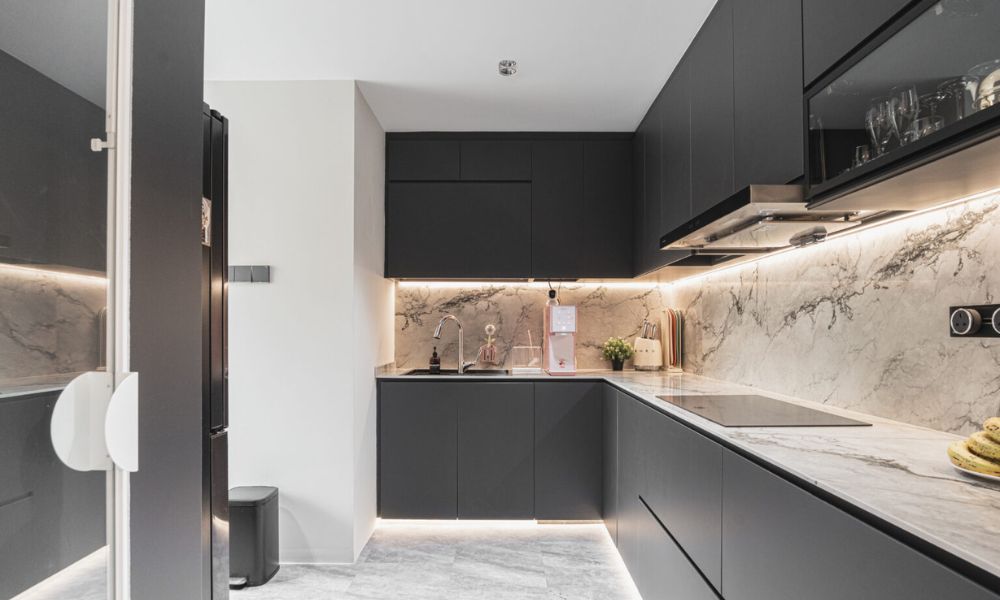
Sintered stone is made from 100% natural minerals (clays, feldspar, and silica). It contains zero petroleum-based resins or plastics, making it fully recyclable at the end of its life.
Many of the world’s leading sintered stone factories now run on 100% renewable energy and recycle 98% of the water used during production.
One of the greenest things you can do is buy a product that lasts 30 years rather than 5. Because it is nearly indestructible, it reduces the need for frequent replacements. Remember, durability means sustainability.
Recycled Glass Countertops
Recycled glass surfaces (like Vetrazzo or local eco-composites) are gaining popularity in Malaysian Green Buildings (GBI certified).
These slabs are made from 60% to 80% recycled glass. Think old beer bottles, sky-blue soda bottles, and even traffic lights. These are crushed and bound together with an eco-friendly resin or cement. They offer a unique shimmer that no other stone can replicate.
By diverting glass from Malaysian landfills (which are reaching capacity), you are directly contributing to waste reduction.
Locally Sourced Natural Granite
In the world of sustainability, food miles aren’t the only thing that matters. Stone miles matter too. Importing a heavy marble slab from Italy to Port Klang generates a massive carbon footprint due to shipping.
Malaysia is rich in natural granite. Choosing local Malaysian granite (like those quarried in Terengganu or Johor) significantly reduces the carbon emissions associated with transport.
Unlike some engineered stones that use synthetic chemicals, natural granite is pure earth. It emits zero VOCs (Volatile Organic Compounds), ensuring the air quality in your kitchen remains clean for your children.
Greenguard Gold Certified Quartz
If you love the look of quartz, you can still be eco-friendly by looking for specific certifications. Many quartz brands, such as Caesarstone in Malaysia, have shifted to bio-resins made from corn or soy rather than petroleum.
Greenguard Gold certification ensures that the countertop has extremely low chemical emissions. This is vital in Malaysian condos where ventilation can sometimes be limited.
Additionally, if you are building a house to meet Green Building Index (GBI) standards, using certified quartz can help you earn LEED Credit points toward your rating.
Salvaged Wood & Reclaimed Timber (For the Dry Kitchen)
While not suitable for the heavy-duty wet kitchen, reclaimed timber is the ultimate eco-statement for a dry kitchen island or breakfast bar.
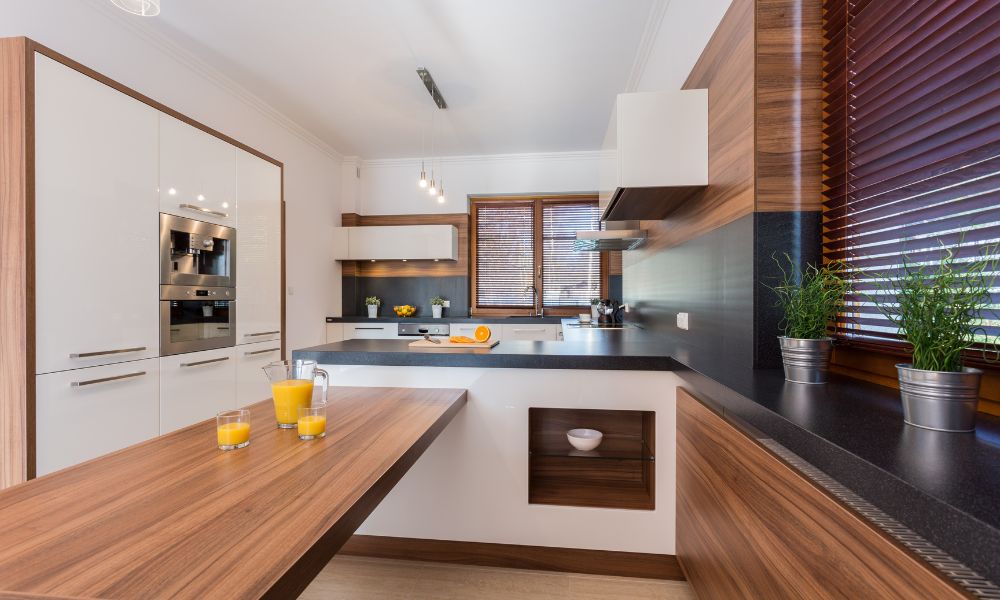
Using timber salvaged from old Malaysian kampung houses or colonial-era buildings gives your home a piece of history. It prevents the cutting down of new tropical hardwoods and locks carbon into your home for another generation.
How to Identify a Green Supplier in Malaysia
Many contractors use “eco-friendly” as a buzzword, but true sustainability requires a commitment to ethical sourcing and responsible manufacturing. Before you pay your deposit, use this four-point checklist to verify if a supplier is truly green.
A. Look for the MyHIJAU Mark
The MyHIJAU Mark is the official green recognition scheme endorsed by the Malaysian government (under the Malaysian Green Technology and Climate Change Corporation).
If a slab or product carries this mark, it has been verified to meet local and international environmental standards. Companies purchasing MyHIJAU-registered assets may be eligible for the Green Investment Tax Allowance (GITA), which is a major incentive for commercial projects but also a mark of absolute trust for residential homeowners.
B. Verify the Closed-Loop Water System
The biggest environmental impact of stone fabrication happens at the factory. Cutting stone requires a massive amount of water to cool the diamond blades and suppress silica dust.
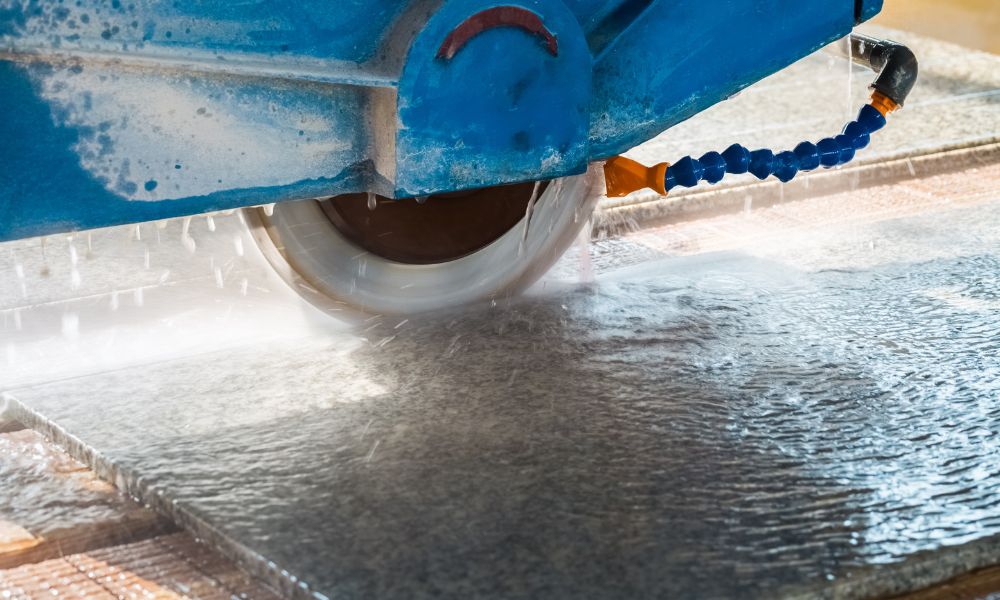
The key question to ask, “Do you use a BACA or similar water recycling system in your factory?”
A responsible Malaysian fabricator uses a closed-loop filtration system. This system captures the slurry (the water mixed with stone dust), filters out the sediment into a sludge cake for proper disposal, and recycles the clean water back into the machines. This prevents thousands of litres of stone waste from clogging local Klang Valley drainage systems.
C. Check for SIRIM Eco-Labelling
SIRIM QAS International provides a dedicated Eco-Labelling scheme (ISO 14024).
This certification confirms that the product has a lower environmental impact compared to similar products in the same category. It considers the entire life cycle, from the extraction of the raw quartz or minerals to the final disposal.
Suppliers who have invested in SIRIM certification are usually long-term industry players who adhere to strict Department of Environment (DOE) regulations.
D. The ESG Factor: CREAM SustainBuild Mark
A new standard for 2026 is the SustainBuild Mark by the Construction Research Institute of Malaysia (CREAM).
It takes into account about Environmental, Social, and Governance (ESG) performance of the supplier, ensuring they treats their workers fairly (social), operates transparently (governance), and minimizes their footprint (environmental).
In Malaysia, a truly green supplier ensures their installers are provided with proper silica dust protection (PPE). Cutting stone produces fine dust that can cause silicosis. A supplier who doesn’t protect their staff isn’t truly sustainable.
The Life Cycle Assessment: Stone vs Non-Stone Countertops
A green material isn’t just about the day it is installed. It accounts for what happens in 20 years. By choosing a material with a 30-year lifespan over a 5-year one, you are preventing six cycles of waste from entering Malaysian landfills.
| Material | Lifespan | Disposal Impact | Winner |
| Laminate | 5–8 Years | Non-recyclable, high glue content | ❌ |
| Solid Surface | 10–15 Years | Synthetic resins, petroleum-based | ❌ |
| Sintered Stone | 30+ Years | 100% Recyclable mineral content | ✅ |
| Local Granite | 50+ Years | Natural stone, zero chemicals | ✅ |
The Invisible Ingredient: Countertops and Indoor Air Quality
When we think of green kitchens, we often think of recycling and solar panels. However, one of the most critical environmental factors is the air you breathe inside your home. According to the World Health Organization (WHO), indoor air pollution is one of the top five environmental health risks globally. In Malaysia, where we spend 90% of our time indoors to escape the heat and haze, this is a vital concern.
Danger of VOC Off-Gassing
Many synthetic or low-grade countertops are held together by resins and adhesives that emit VOCs. VOCs are chemicals like formaldehyde that off-gas (turn into vapour) at room temperature.
In our tropical climate of high-humidity (80%+) and high-temperature, the rate of chemical off-gassing increases. A countertop that is generally safe in a cool European climate might release significantly more chemicals in a warm, unventilated Malaysian wet kitchen.
As such, short-term exposure can lead to “Sick Building Syndrome” such as headaches, dizziness, and throat irritation. Long-term exposure has been linked by the Department of Occupational Safety and Health (DOSH) to more serious respiratory issues.
Greenguard Gold: The 2026 Gold Standard
In your search for a healthy kitchen, look for the Greenguard Gold Certification. Products with this label have been tested in environmental chambers for over 10,000 different chemicals.
The gold standard is even stricter than the basic certification, ensuring the stone is safe for environments where children and the elderly spend a lot of time.
Choosing a Greenguard Gold stone ensures that even as you chop vegetables or prepare raw dough directly on the surface, no harmful chemical residues are being transferred to your food.
Secondary Pollutant Trap
A fascinating (and terrifying) discovery in 2026 is the formation of secondary pollutants. When the VOCs from a low-quality countertop mix with common cooking fumes (like oil smoke or ozone from air purifiers), they can react to form even more hazardous compounds, such as ultrafine particulates.
Materials like sintered stone, porcelain, and natural granite are naturally VOC-free. Because they contain no synthetic glues, they remain chemically inert, meaning your kitchen air stays as fresh as a rainforest, and not a chemical factory.
Practical Tips for a Breathable Kitchen
- Prioritize natural ventilation. Even with a high-end hood, opening your windows for 15 minutes a day reduces the concentration of indoor pollutants.
- Choose matte over high-chemical polishes. Some low-end stones achieve their shine through topical chemical coatings. Stick to mechanically polished stone or matte finishes.
- Use eco-friendly sealants. If your natural stone needs sealing, insist on a water-based, low-VOC sealer rather than a solvent-based one, which can smell like chemicals for weeks.
Conclusion: A Kitchen That Breathes
An eco-friendly kitchen in Malaysia is about more than just saving trees. It encompasses materials that are safe for your family, durable enough for your heavy cooking, and respectful of the natural environment. By choosing sintered stone or locally sourced granite, you are investing in the future of our planet and the health of your home.