The kitchen is the undisputed heartbeat of the Malaysian home. Whether you are a dedicated home cook mastering a family rendang recipe or you use the space as a social hub for makan sessions with friends, the countertop is where the magic happens. It is the stage for your culinary creations and a primary driver of your home’s aesthetic and resale value.
Choosing the right surface is a decision that impacts your daily convenience and long-term satisfaction. With the global market for countertops projected to reach USD 185 billion by 2032, it is clear that homeowners are prioritizing this vital investment. A countertop must be more than just a pretty face, it must balance durability, heat resistance, and ease of maintenance with stunning design.
This comprehensive checklist will guide you through every critical step, from defining your vision to protecting your investment for decades to come.
Step 1: Understanding Your Needs and Vision
Before browsing slabs, you must lay a foundation based on your specific lifestyle. In Malaysia, our kitchens often face high heat, heavy spices, and frequent cleaning, making this initial assessment crucial.
Define Your Lifestyle and Habits
Consider who is using the kitchen and how often. Understanding these daily habits is paramount to selecting a material that will stand up to your specific needs.
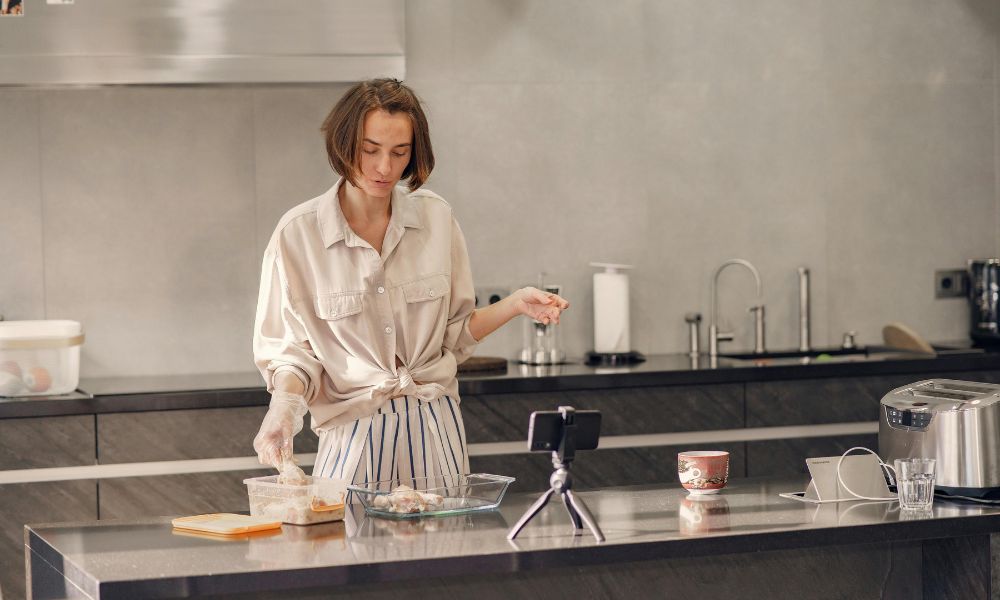
- The Heavy Cook: If you frequently use heavy woks or move hot pots directly from the stove, heat resistance is non-negotiable.
- The Busy Family: Homes with young children or pets should prioritize materials that are scratch and stain-resistant to handle spills and rougher use.
- The Host: Those who love hosting might value a surface that is both beautiful and easy to clean after parties.
- The Baker: If you enjoy making pastry or roti, you may prefer a non-porous, cool-to-the-touch surface that is easily sanitized.
Setting a Realistic Budget
Countertop costs involve more than just the price per square foot. A comprehensive budget must include:
- Fabrication: The cost of cutting and shaping the slab.
- Installation: Professional labour to ensure a level, secure fit.
- Integration: Costs for sink and faucet cutouts.
- Site Prep: Demolition of old surfaces and any necessary plumbing adjustments.
Aligning with Your Aesthetic
Your countertop should harmonize with your cabinetry, flooring, and wall colours. Whether you desire a minimalist modern look, a rustic farmhouse feel, or timeless elegance, the colour and finish will set the room’s mood.
Step 2: Exploring Core Countertop Materials
The material you choose is the most significant factor in your kitchen’s longevity. While natural stones remain popular, engineered solutions like sintered stone and quartz have become the gold standard for modern Malaysian homes.
Engineered Stone: Quartz & Sintered Stone
These materials offer the perfect marriage of beauty and high performance.
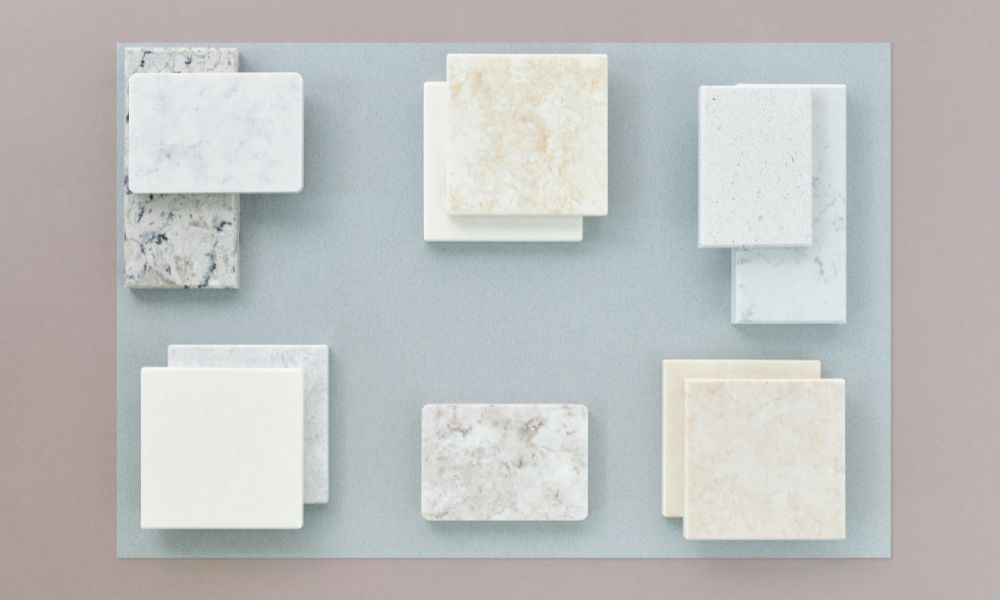
Quartz countertops are made from natural quartz crystals mixed with resins. Quartz is non-porous and highly resistant to stains and scratches. It requires virtually no maintenance as it does not need sealing. It is available in a vast array of colours that can mimic natural marble or offer sleek, contemporary patterns.
Sintered stone is created using extreme heat and pressure to bond minerals together. This results in an incredibly dense material that is even more heat-resistant than quartz and almost impossible to scratch or stain. It is ideal for Malaysian wet kitchens where heavy-duty cooking is common.
Natural Stone: Granite & Marble
Natural stone offers a one-of-a-kind beauty that cannot be perfectly replicated.
Granite is known for its durability and heat resistance. Prior to this, granite held a 28% market share in 2025. However, it is porous and requires regular sealing to prevent stains.
Marble features exquisite veining, and is deemed the height of luxury. However, it is softer and prone to etching from acidic substances like lime or vinegar which are common ingredients in Malaysian cuisine.
Other Material Options
- Solid Surface & Laminate: Budget-friendly options that offer versatility but are less resistant to heat and scratches.
- Wood: Butcher-block styles bring warmth but require regular oiling and are prone to water damage.
- Porcelain Slabs: Modern porcelain is dense, non-porous, and heat-resistant, making it a low-maintenance alternative to natural stone.
Step 3: Design Details and Personalization
Once the material is selected, the details will define the final look.
Edge Profiles
The edge impacts both safety and style. Simple bullnose or eased edges offer a softer feel, while Ogee profiles provide classic elegance. For a dramatic, modern statement, consider a waterfall edge, where the material flows vertically down the side of the cabinetry.
Sink Integration
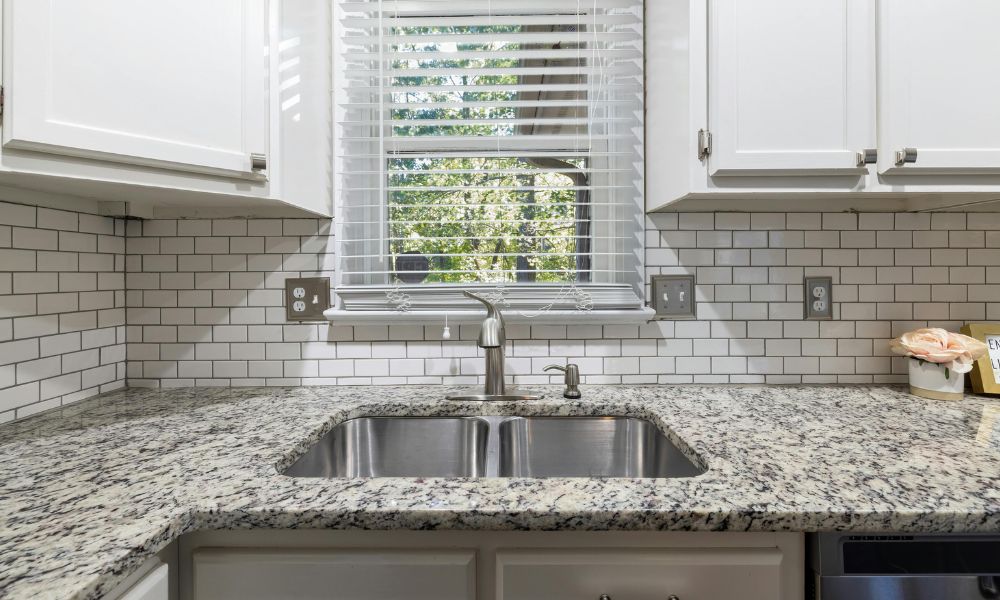
How your sink integrates with your countertop affects both aesthetic and functionality. Below are 3 types of sinks:
- Undermount sinks are installed beneath the countertop, creating a seamless transition that is easy to wipe clean.
- Drop-in sinks sit on top of the countertop, with a visible rim. They are generally easier to install.
- Integrated sinks are made from the same material as the countertop, creating a completely seamless and hygienic surface.
Backsplash and Islands
Coordinate your backsplash to complement the countertop—busy patterns on one usually pair best with a simpler design on the other. Your kitchen island can also serve as a focal point by using a contrasting material or incorporating a breakfast bar.
Step 4: The Path to Professional Installation
A beautiful slab can be ruined by poor installation. Precision is key.
Showroom Visits
Visiting showrooms is indispensable. Seeing full slab samples allows you to appreciate the natural variations in patterns, colours, and veining, especially with natural stone. It’s also important to feel the texture and observe how different lighting affects the material’s appearance. Always bring home smaller samples to see how they look in your kitchen under your specific lighting conditions.
Templating
Precise measurements are critical for a perfect fit. A professional fabricator will create templates of your countertops, accounting for sink cutouts, appliance placements, and any irregular shapes. Accuracy here prevents costly mistakes during fabrication and installation.
Choosing Professionals
Selecting reputable fabricators and installers is paramount to a successful project. Seek recommendations, check reviews, and ensure they have experience with your chosen countertop material. A good fabricator understands the nuances of working with materials like sintered stone, quartz, granite, or marble, while skilled installers ensure a flawless finish.
Pre-Installation Prep
Before the installation day, prepare your kitchen. Clear all items from your existing countertops and surrounding areas. Ensure cabinets are sturdy and able to support the weight of the new countertops. Protect adjacent flooring and cabinetry from potential damage during the installation process.
Expectations during Installation
The installation day can involve some disruption. The team will carefully transport and place your new countertops. For stone materials, expect some noise and dust. The process typically involves cutting and fitting the slabs precisely, followed by sealing if required, and final sink and faucet installation.
Step 5: Maintenance and Long-Term Care
Proper maintenance is key to ensuring your kitchen countertop retains its beauty and functionality for years to come. The specific care required depends heavily on the chosen countertop materials.
Cleaning Routines
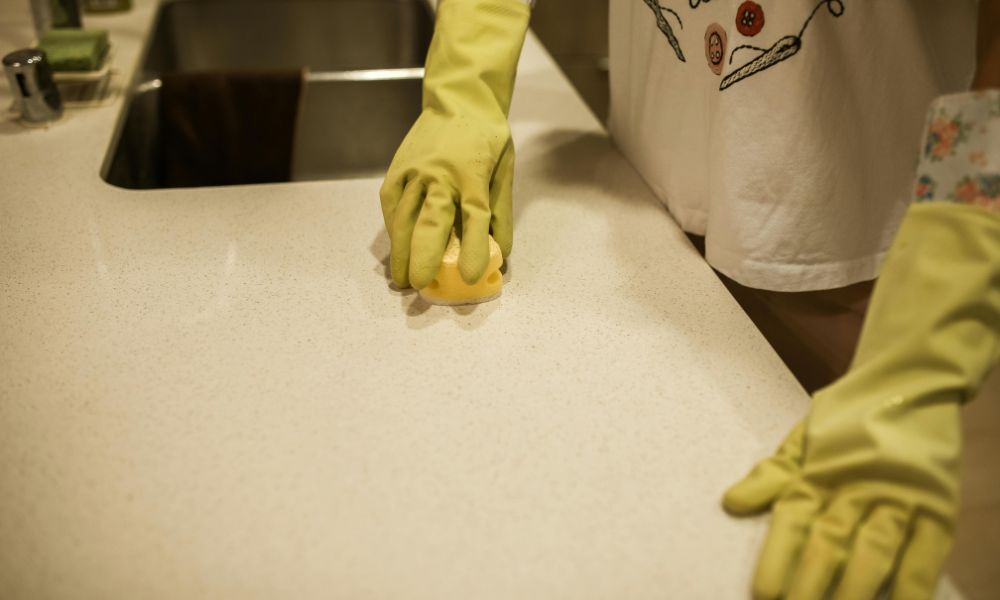
Quartz and sintered stone are generally low-maintenance. Daily cleaning with mild soap and water is all that is required. As for natural stones, it is advisable to use pH-neutral cleaners. Avoid abrasive chemicals or lemon-based cleaners that can damage the seal or etch the stone.
The Sealing Ritual
Porous materials like granite, marble, concrete, and soapstone benefit from regular sealing. Sealing fills the microscopic pores, making the surface less susceptible to staining. The frequency of sealing depends on the material and usage, but typically ranges from once a year to every few years. A simple water test (if water beads up, your sealing is intact; if it soaks in, it’s time to re-seal) can indicate when this is necessary.
Addressing Challenges
- Heat: Even with heat-resistant materials like sintered stone and quartz, always use trivets or hot pads to prevent thermal shock or potential discolouration from resins in engineered stone.
- Stains: For natural stone, clean spills immediately. For stubborn stains, a poultice paste may be required.
- Scratches: While quartz and granite are highly scratch-resistant, marble and wood can be more susceptible. Minor scratches on wood can often be sanded and refinished. Professional repair may be needed for deep scratches on stone.
Ticking the Kitchen Countertop Checklist: Creating Your Perfect Kitchen
Choosing a kitchen countertop is a significant journey that blends personal style with practical durability. By defining your lifestyle needs and understanding the unique benefits of materials like sintered stone and quartz, you can confidently select a surface that will be the centrepiece of your home for decades.
Remember, meticulous installation and the right maintenance routine are the final pieces of the puzzle in protecting your investment. With this checklist, you are ready to create a kitchen you will cherish.