In a Malaysian household, the kitchen countertop is more than just a surface. It is a high-traffic workstation where you prepare the morning nasi lemak, pound the sambal for lunch, and gather for late-night snacks. However, with our love for heavy spices, oils, and intense heat, our countertops are subjected to a level of stress that most Western cleaning guides don’t account for.
Kitchen hygiene has moved beyond just looking clean. It is about protecting your multi-thousand Ringgit investment from chemical damage, preventing the growth of tropical mould, and ensuring a medical-grade prep surface for your family. This comprehensive guide will show you how to maintain that showroom shine for decades.
Understanding Your Material: The Foundation of Care
Before you pick up a spray bottle, you must know what lies beneath your hand. Malaysian homes typically feature one of five main surfaces.
Each has a unique personality and chemical tolerance when it comes to countertop maintenance. Hence, using a generic multipurpose cleaner can be the quickest way to ruin the finish of your stone.
Sintered Stone: The Industrial Powerhouse
Sintered stone is becoming the top choice for Malaysian homeowners due to its incredible durability. Made from natural minerals processed under extreme pressure and heat (exceeding 1,200°C), it mimics the look of stone but offers superior performance.
It is almost entirely non-porous and chemically inert. As such, you can use aggressive degreasers or even mild bleach without fear. It is the only surface that is truly wok-proof. You can place a hot claypot directly on it without much worry.
Maintenance Tips:
- Daily cleaning: Use a soft microfibre cloth with warm water and a neutral detergent.
- Stain resistance: While highly resistant, don’t let turmeric or curry stains sit for 24 hours. A quick wipe is usually all it takes.
- Heat handling: While you can technically place a hot pot of rendang directly on it, but we always recommend a trivet to maintain the surface’s longevity.
Engineered Quartz: The Modern Standard
Quartz is 93% natural stone bonded with 7% resin. That 7% resin is the weak point you must protect.
Maintenance Tips:
- Daily care: Stick to pH-neutral dish soap and warm water.
- Avoid harsh chemicals: Never use bleach or high-pH cleaners (like drain cleaners or some floor cleaners). These can break down the resin holding the quartz together leading to permanent cloudiness.
- Scratch prevention: Always use a cutting board. While quartz is hard, sliding heavy cast-iron woks across the surface can cause metal rubbing marks.
- Sunlight caution: If your kitchen gets heavy afternoon sun, be aware that long-term UV exposure can slightly fade certain quartz pigments.
Natural Granite: The Traditional King
Granite offers a unique, one-of-a-kind pattern that brings the beauty of nature indoors. Because it is a natural stone, it is slightly porous. Hence, its strength is its hardness, but its weakness is its pores.
Maintenance Tips:
- Sealing is key: To prevent asam pedas or oil from soaking into the stone, granite must be sealed upon installation and resealed every 1 – 2 years. Without a sealant, oil stains from your frying will sink into the stone, creating dark shadows that are nearly impossible to remove.
- Water test: Pour a few drops of water on the surface. If it beads up, your seal is good. If it soaks in, it’s time to reseal.
Natural Marble: The Delicate Diva
Marble is the epitome of elegance, but it is the high-maintenance queen of countertops. It is composed of calcium carbonate. This makes it a soft stone that reacts violently to acid.
Maintenance Tips:
- Beware of acids: Lime, vinegar, and tomato sauce will cause etching, a permanent chemical burn that eats the stone’s surface and leaves a dull spot. Wipe spills immediately.
- Soft scrub only: Use only specialized stone cleaners. Avoid “Cif” or abrasive pads that can scratch the polished finish.
Solid Surfaces: The Seamless Choice
Solid surfaces (like Corian) are acrylic-based and popular because they can be joined seamlessly, leaving no gaps for dirt to hide.
Maintenance Tips:
- Heat sensitivity: Unlike sintered stone, solid surfaces can melt or crack under extreme heat. Never place a hot kettle directly on the surface.
- Renewability: The best part? If you do get a scratch, a professional can sand it down to look brand new again.
The “Kunyit” (Turmeric) Emergency Protocol
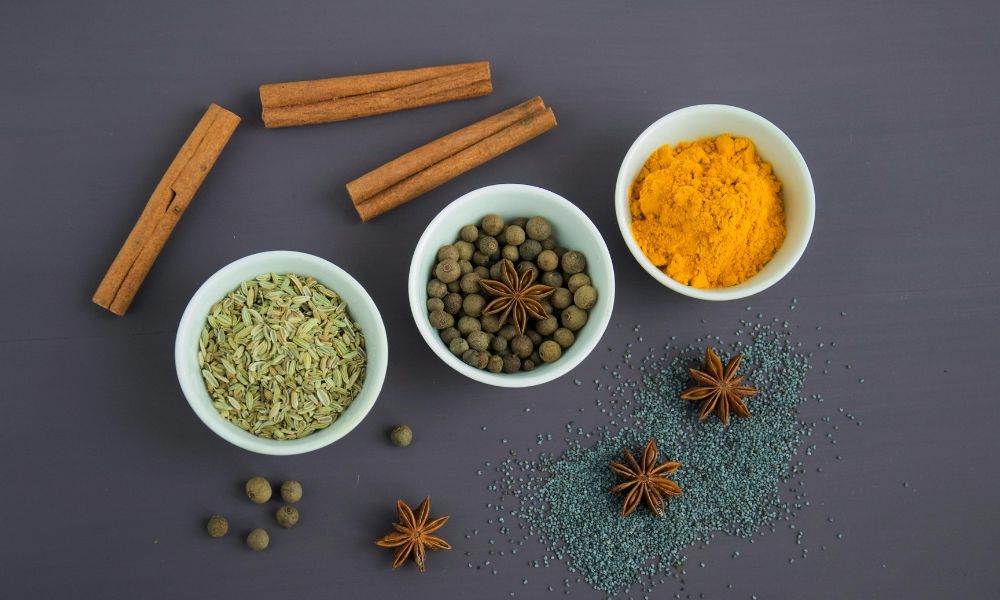
Every Malaysian homeowner knows the panic of seeing a yellow turmeric stain on a white countertop. Turmeric is fat-soluble and highly pigmented, making it the hardest stain to remove.
Step-by-Step Turmeric Stain Removal:
- Act fast: Do not let the stain sit. Blot (don’t rub) with a dry paper towel.
- Baking soda paste: Mix baking soda and water into a thick paste. Apply it over the stain and let it sit for 15-20 minutes. The baking soda gently draws the pigment out of the pores.
- The isopropyl alcohol hack: If the yellow persists, use a cotton ball soaked in 70% isopropyl alcohol. Gently dab the area. Alcohol breaks down the turmeric oils faster than soap.
- The UV secret: If a faint yellow shadow remains, don’t panic. Turmeric is sensitive to light. Open your kitchen blinds and let the sunlight hit the spot for a few hours—the pigment will naturally fade away.
Kitchen Countertop Maintenance for the Malaysian Weather
In Malaysia, our humidity (80%+) is a playground for bacteria and mould. A clean-looking counter can still harbour millions of microbes.
Eliminating the Biofilm
Have you noticed that your counter feels slightly sticky even after a wipe-down? That is a biofilm, a colony of bacteria protected by a layer of grease and moisture.
Once a week, perform a deep sanitisation. Use a stone-safe disinfecting spray and let it sit for the full contact time (usually 3-5 minutes) before wiping. This kills the bacteria that a quick wipe-down misses.
Cross-Contamination Control
Use different microfiber cloths, preferably colour-coded, for your wet kitchen (heavy grease) and dry kitchen (prep area).
The sink joint (silicone seal where the sink meets the stone) is the top breeding ground for black mould. Use an old toothbrush with a mild bleach-free anti-fungal spray once a week to keep this area sterile.
Protecting the Surface from Mechanical Damage
Contrary to popular belief, heavy-duty doesn’t mean indestructible. To reach the 20-year lifespan of your stone, you must avoid these common mistakes:
No Direct Cutting
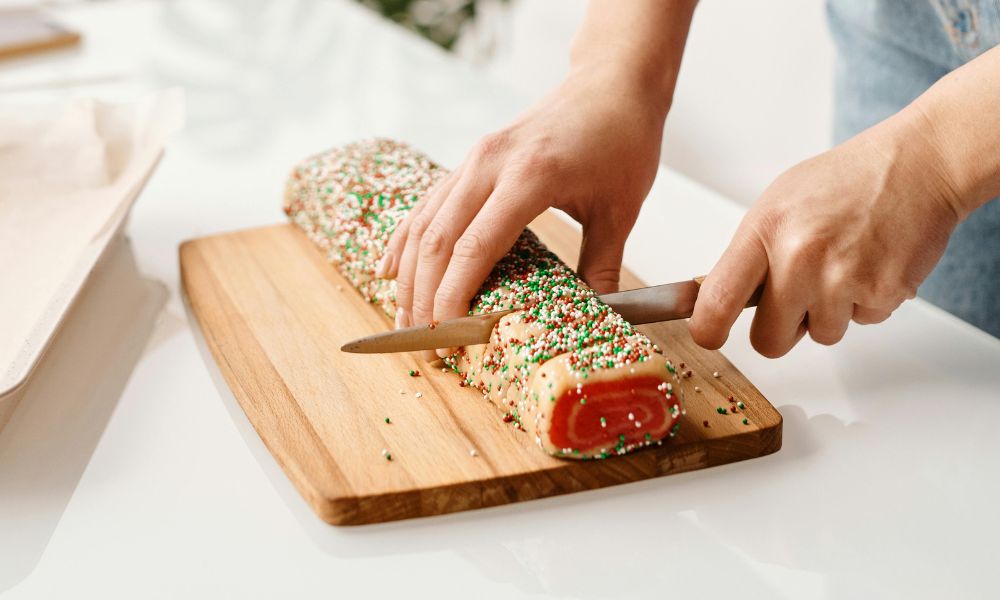
Even on sintered stone, always use a cutting board. It’s not just to protect the stone because hard stone surfaces will dull your expensive kitchen knives instantly.
The Heat Warning
Quartz can handle moderate heat, but a hot wok at 200°C will cause thermal shock. Always use trivets.
No Standing
Never stand on your countertop to change a lightbulb or clean a high shelf. While the stone is strong, the pressure is concentrated on the cabinets below, which can cause the stone to crack at the weakest point (usually the sink cut-out).
Addressing Halal Concerns in the Kitchen
For our Muslim homeowners, the kitchen is more than just a place to cook. It is a space that must adhere to halal (permissible) and toyyiban (wholesome/pure) standards.
Some homeowners worry about the components of engineered stones. Sintered stone and premium quartz products are made from inorganic minerals and resins, containing no animal-derived binders, making them naturally compatible with a halal household.
Because sintered stone and quartz are non-porous, the cleansing process is more effective as the impurity cannot soak into the material, providing peace of mind for the homeowner.
Monthly Maintenance Checklist
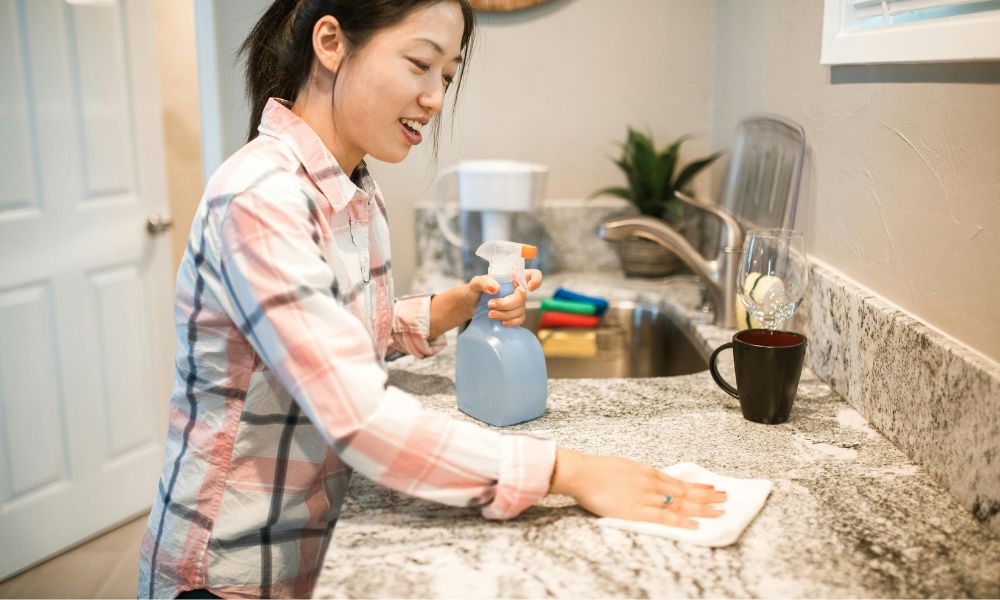
To help you stay organized, follow this simple maintenance schedule:
| Task | Frequency | Why? |
| Clear the decks | Weekly | Remove appliances to clean the hidden dust and grease underneath. |
| Check silicone seals | Monthly | Look for peeling or black mould spots. |
| Deep degrease | Monthly | Use a specialized stone degreaser behind the stove area. |
| Perform water test | Yearly | For granite: Check if the sealant is still effective. |
Conclusion: Investing in Longevity
Your kitchen countertop is the stage upon which your family’s meals are created. Whether you choose the rugged durability of sintered stone, the classic beauty of granite, or the seamless flow of solid surfaces, the key to longevity is consistent, gentle care.
A kitchen countertop is one of the most expensive investments in your home renovation. By spending just 5 minutes a day on the right cleaning techniques, you aren’t just keeping your home pretty, you are preserving the value of your property.
By understanding the specific needs of your material and maintaining a high standard of hygiene and halal-compliance, your countertop will remain a stunning centrepiece of your home for decades to come.